About
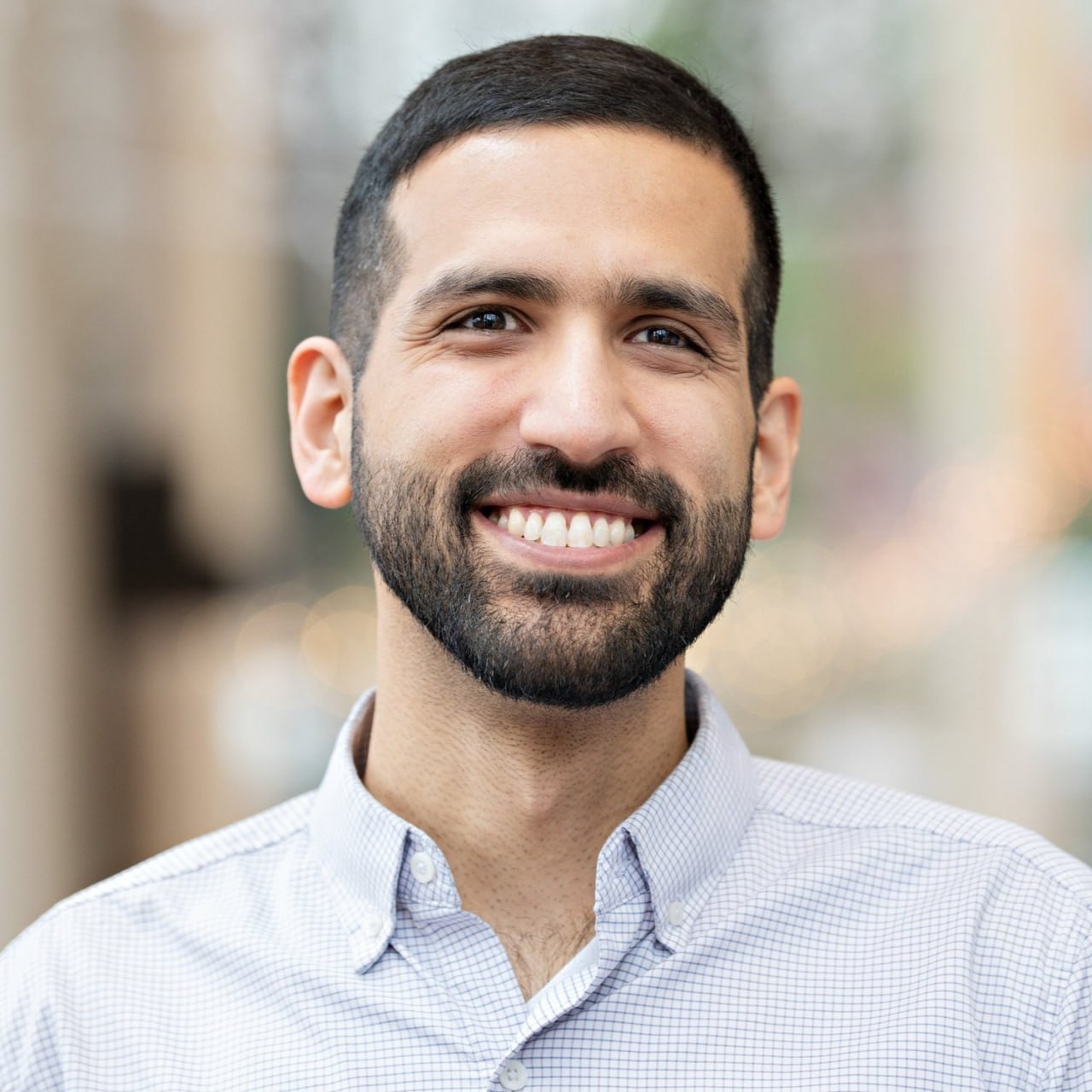
Dr. Munib Rezaie
Former counselor and principal, helping boys become good men before the internet decides what that means for them.
Former counselor and principal, helping boys become good men before the internet decides what that means for them.
"Boys are waiting for permission to be more than the tough act they think they owe the world."
My name is Munib Rezaie. I'm a father of two boys, and I've worked in education for more than ten years, most of it in K–12 schools as a teacher, a counselor, and a principal.
I was often the person a boy got sent to after something went wrong: a fight, an outburst, a kid who'd gone quiet, who'd shut down, who'd lashed out. Everyone wanted to fix the behavior, but when I'd sit down with him alone, it was almost never really about the behavior. He didn't have words for what he was feeling or any idea what to do with it, so he did what he knew how to do: explode, shut down, or perform toughness. What I learned is that under almost all of it, boys are waiting for permission to be more than the tough act they think they owe the world.
I've watched what happens when you give a boy the language and a little room: he uses it. Not every time, not overnight, but far more often than the way we talk about boys would suggest. Somewhere in there I realized how much of what shapes a boy has little to do with what we officially teach him. More than that, it's what he picks up about what a man is "supposed" to be, from his friends, his screens, whatever room he walks into. So I started building the lessons, groups, and workshops that help boys notice those messages and think for themselves.
That's the whole reason I do this. I have a PhD in Communication and a master's in School Counseling, and I build the curriculum, the groups, and the conversations that give boys a say in who they become, before the feed decides it for them.
PhD in Communication, focused on media studies. My work turns that into media literacy for boys: naming the messages, reclaiming the choice.
Individual counseling, group work, and crisis intervention with adolescent boys in K–12 schools.
Built and ran a structured boys' group inside a school, plus parent workshops and coaching.
A 6-week program for grades 6–12: student sessions, staff PD, and parent workshops. Built to change the everyday, not deliver one assembly.
Meet Coach Ben, a picture book about asking for help, earned a starred review from Kirkus. Also author of three ebooks for parents and educators.
Quoted in Rolling Stone's April 2025 report on red-pilled content in schools. Creator of an online course on masculinity for adults.